
How important is incorruptibility in grantmaking?

“Power corrupts and absolute power corrupts absolutely.” - Lord Acton
If this quote is true, grantmakers are in big trouble. Grantmakers have a lot of power in the world; NGOs tend to be radically affected by how funders ultimately make decisions. Recently I was talking to a funder and they said one of the characteristics they consider a lot when supporting a fund or regrantor is how incorruptible they are. This seems pretty sane to me but begs the question of how one can evaluate incorruptibility.
How to evaluate incorruptibility in someone?
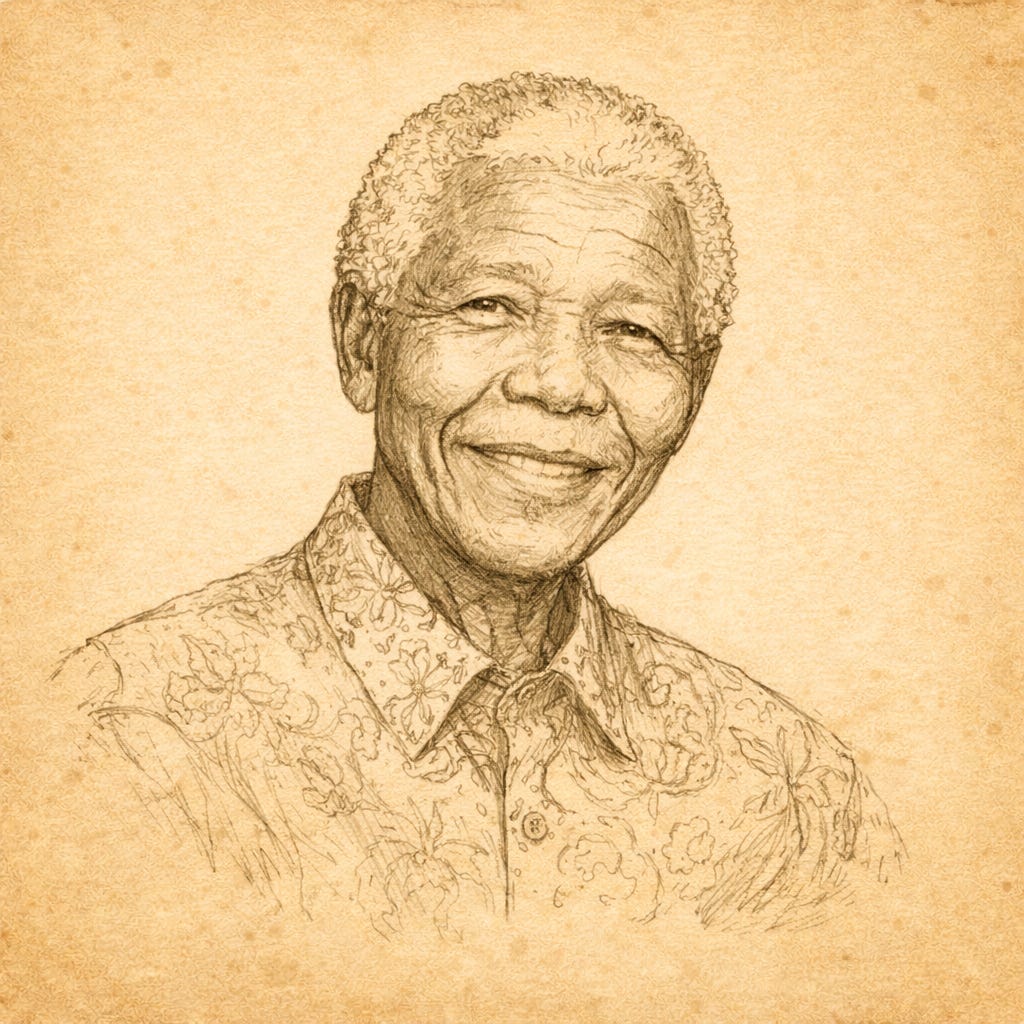
It’s likely no one is 100% incorruptible. Even Nelson Mandela or Gandhi have their critics. On the other hand, I think they and others are pretty clear examples that there is high variance in the trait. Mandela might not be perfect, but he is clearly less corrupt than Mobutu. One possible way to evaluate corruptibility is to see how someone has handled power in the past. A grantmaker who did not change when they started managing a $5m portfolio is likely to change less when they manage a $10m portfolio.
Likely there are other areas you could generalize from. CEOs get a lot of power; if someone is incorruptible in that role, the odds are better they will be less corruptible in a grantmaking role. They say the past is the best predictor of the future and the past certainly would be highly useful datapoints. However this only really gives you data points on older people who have already had significant power. Sadly, I don’t think being captain of your little league team gives much data.
Personality traits
It seems plausible that there are personality traits that correlate with someone being incorruptible. Two that come to mind for me are ethics and executive functioning.
Ethics is more clear. If someone takes a job at a foundation because they care about impact 10% but also about the high salary, status, and work-life balance more, it’s easier to see a path where they choose something that gives them status over impact within the job. Sadly, opportunities for this in grantmaking are abundant. Someone caring more about ethics seems like an obvious trait to value in a charitable foundation, but I find a lot of foundations care about caring but not how much someone cares (where I think a lot of the variance in corruption comes from). You can get surprisingly far by just asking about this in interviews, but even better is that it is hard to fake signals of altruism. If the person says they are altruistic but has never donated blood, volunteered, changed their diet, or otherwise made a sacrifice for the global good, I end up skeptical.
Executive control is a trait that is less likely to come to mind when thinking about someone who is incorruptible, but I think it is equally important to ethics. Standing by one’s principles is hard work and often means prioritizing long-term impact over short-term personal gains. Ethics is one part of doing this, but consistent willpower is another. A lot of the people who gain power but do not lose themselves also had a strong will in combination with their ethics. Mandela was not just ethical but also consistently had to take the harder path of forgiveness. The temptations and trappings of power are by their very nature tempting, and it takes energy and a bit of stubbornness not to utilize them.
Honesty as a case study
I think honesty can be used as a decent correlating example. Being a bit dishonest is very common, whether it’s rounding in your favor or something more benign and altruistic like telling someone they look good in an ugly hat. Being tactful over truthful really offers a lot of advantages both personally and professionally, but of course in the long term the reputation of being a straight shooter is really great to have.
When someone asks an awkward question, the temptation — and maybe even the more impactful thing to do in the short term — is to sugarcoat the truth a bit. It takes both ethics (“I am a straight shooter”) and willpower (“this is going to be awkward but I will do it anyway”) to do the more honest thing.
I am not advocating that you reach out to everyone in your social network with an ugly hat and tell them you don’t like it, but I do think it offers the same dilemma that many newly empowered grantmakers face. I would say that someone who has been honest in the past (history), values honesty over other things (ethics trait), and does it even when it is hard (executive control) is a good bet to be honest even when the chips are down.
Applying it to grantmakers
My takeaway is that when hiring a grantmaker — or funding a fund (effectively making them a grantmaker) — incorruptibility is a more important trait than I previously thought. It seems possible to test by asking about past experiences with power (history), what hard-to-fake altruistic things they have done (ethics), and how they have handled temptations in the past (executive control).
People that lie regularly are good at it. They regularly fool the average person, and the average high level leader who also does it. But if you’re actually honest and reasonably smart or experienced (with a leaning toward social intelligence), you can discern liars fairly easily…which includes altruistic social climbers since their fundamental lie is “I’m doing this for the world”, when actually they are doing it for themselves.
Asking the questions you mention is a great medium from which to make these judgements.
I think also trying to be collegial with them and lowering the formality and artifice so they open up is a great way to get inside to the true person. Interviewing others from their past is also helpful.
There’s something about being a true believer, a believer in the work required for humanity’s good future, that is hard to fake and if you have it you recognize it.
You have it.